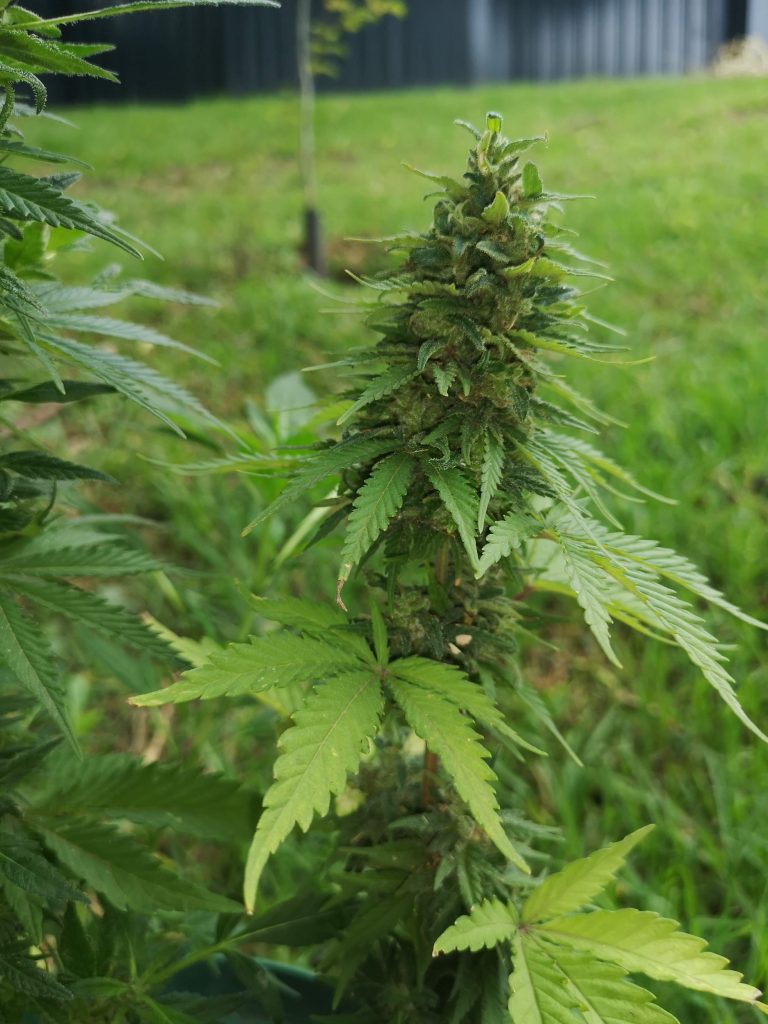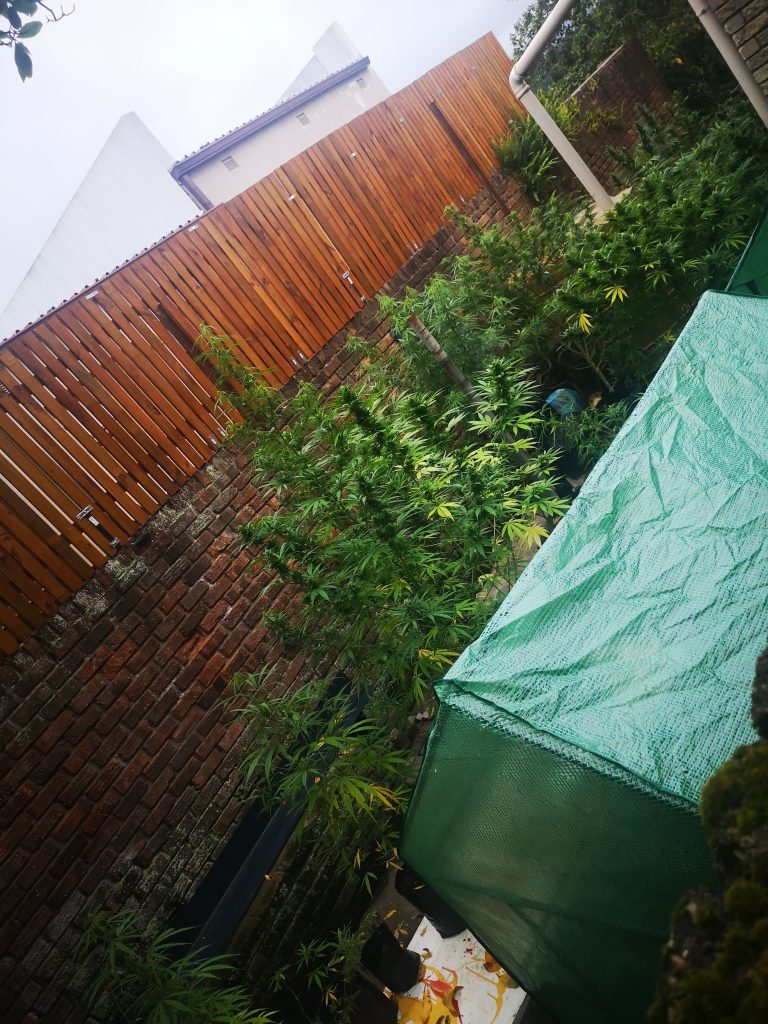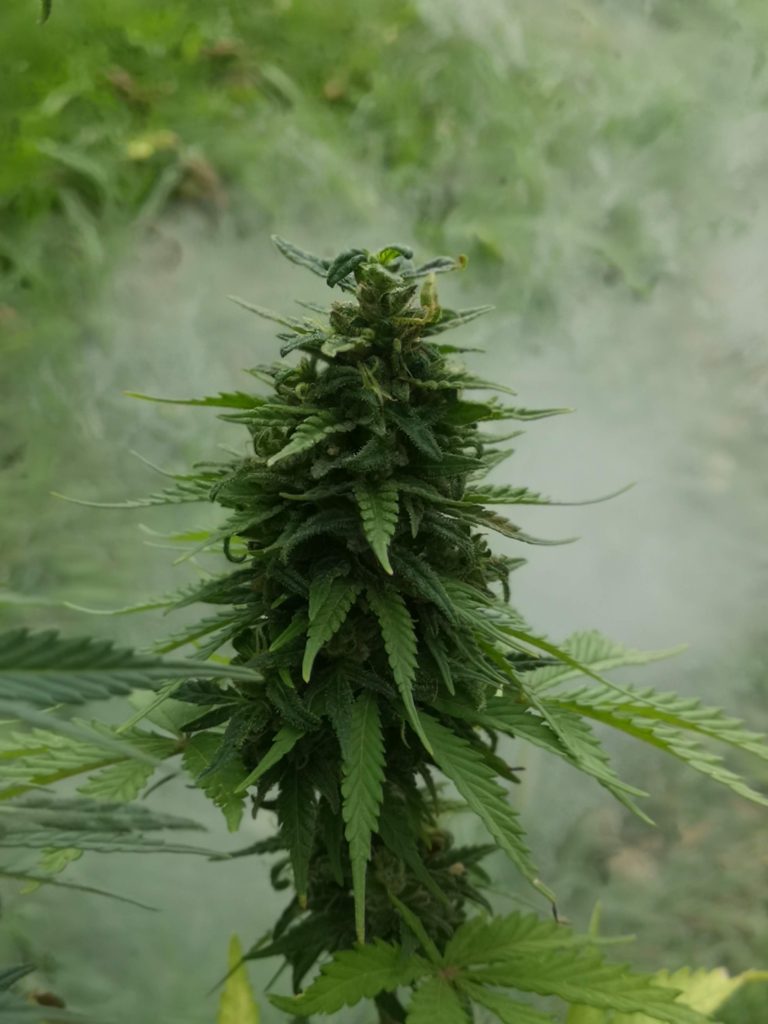
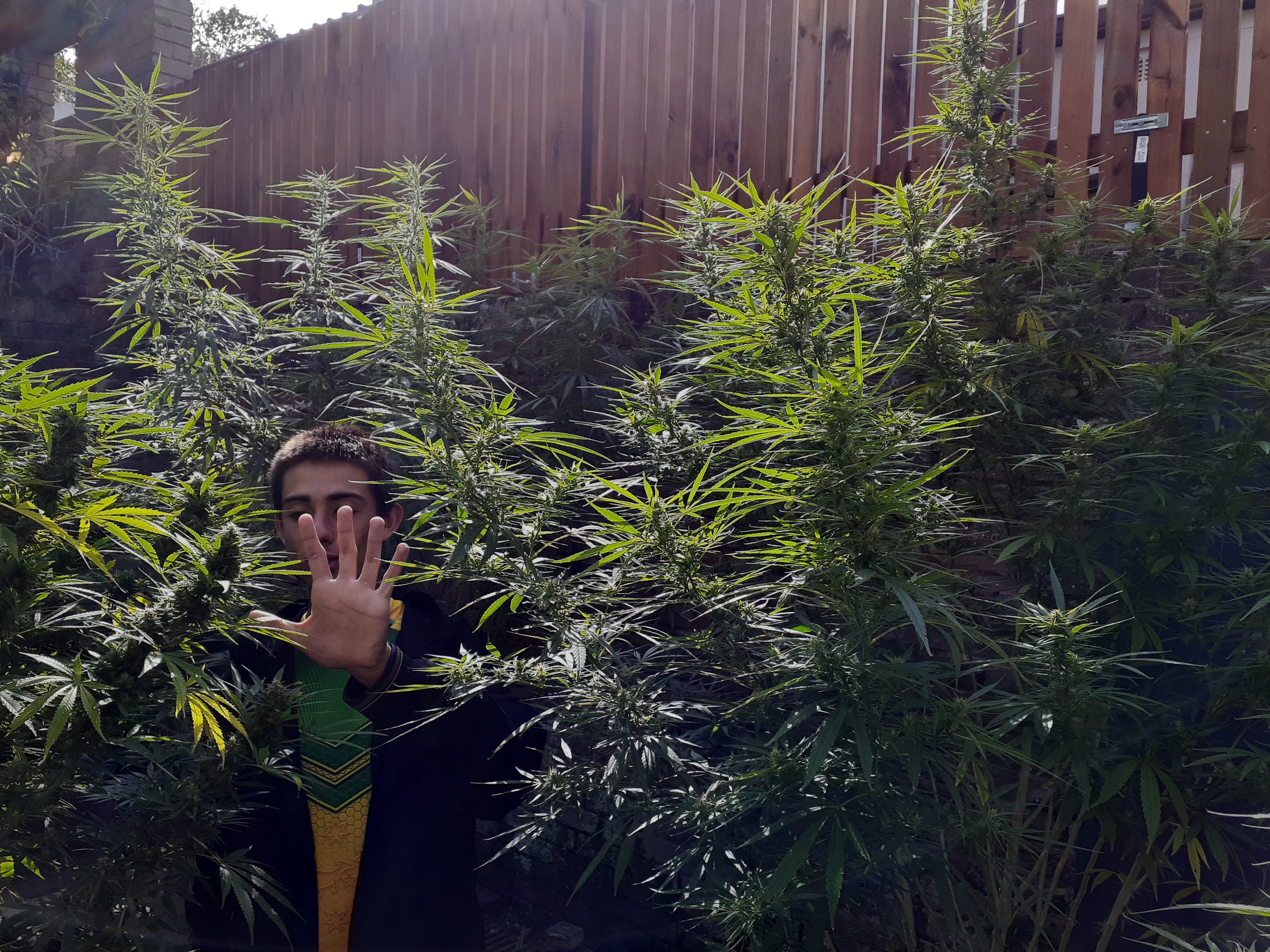
A chill guide to protecting your outdoor green baby.
Outdoor plants are brave, hey. One day they’re vibing in the sunshine, the next day a gusty wind, a fat storm, a rogue hadeda, and a few tiny insects are running a full-on heist.
So let’s talk about keeping your outdoor plant safe – meaning:
- safe from weather drama
- safe from pests and critters
- safe from random people who can’t mind their own business
- safe from you accidentally loving it to death

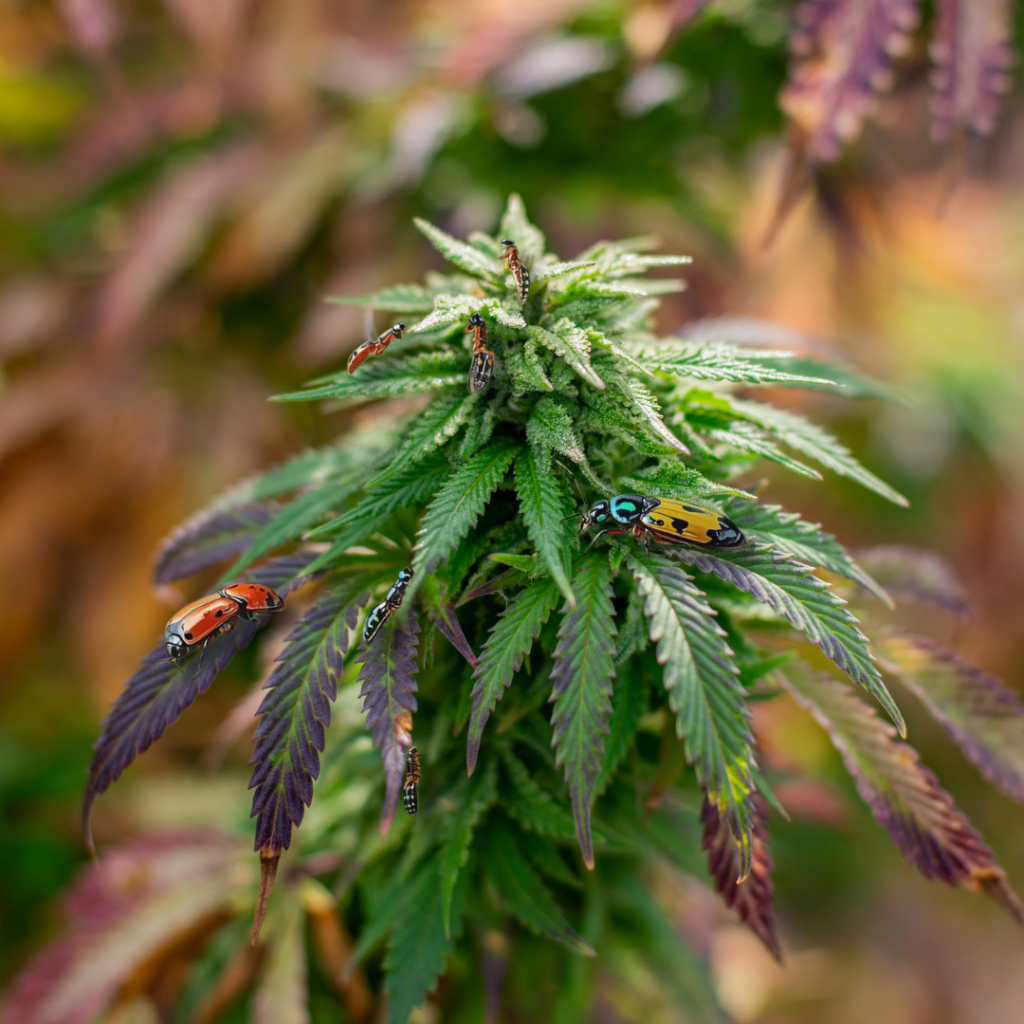

No stress. Just solid, easy moves.
The 4-layer rule (simple but deadly effective)
Think of plant safety like a good playlist: layers make it hit.
- Deter (make it less tempting)
- Detect (spot issues early)
- Defend (act fast, lightly)
- Recover (help it bounce back)
1) Deter: make your plant a “not today, Satan” situation
Hide it in plain sight
If it’s a prized plant, don’t put it where every passer-by can admire it like it’s at an art gallery.
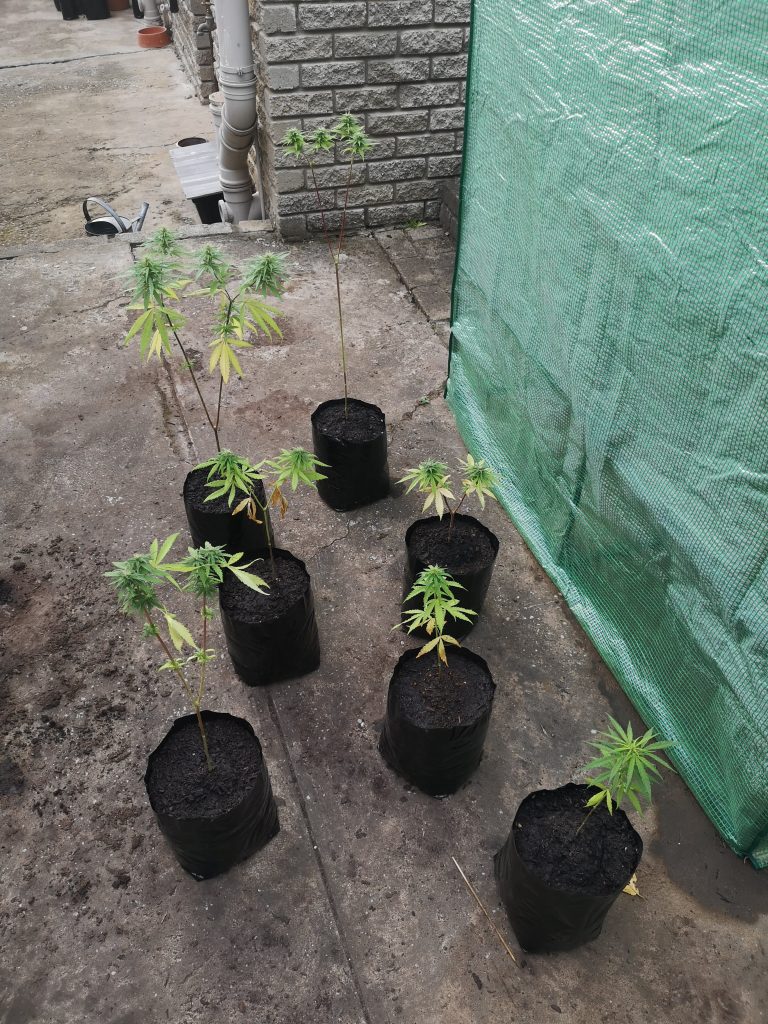
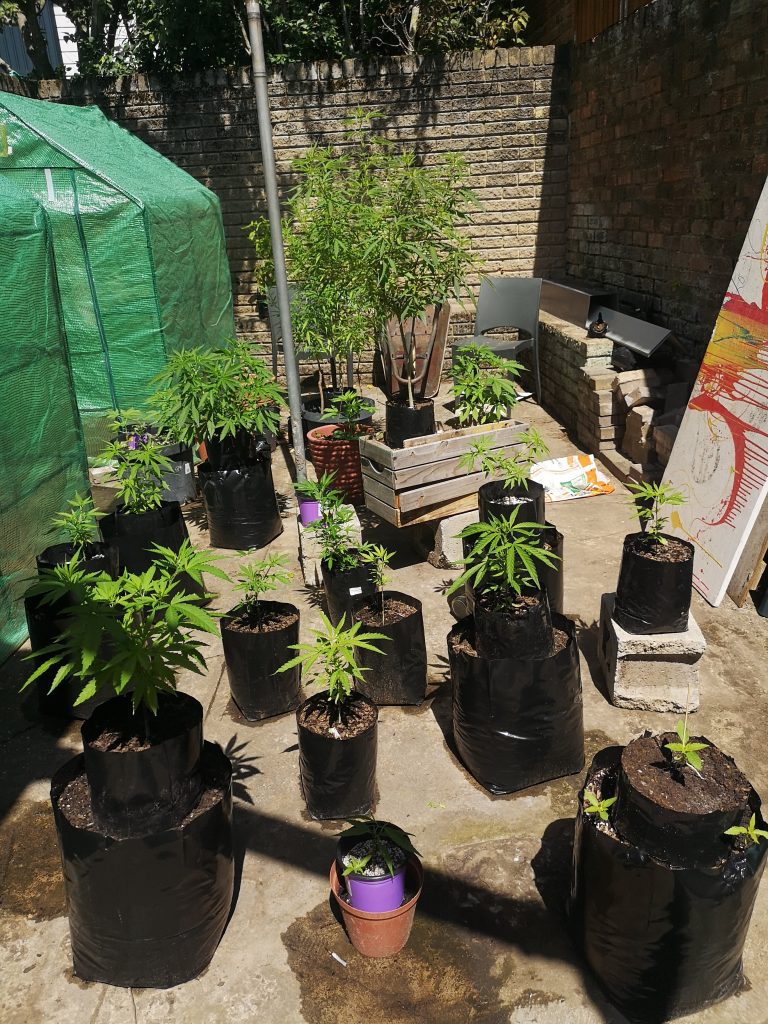
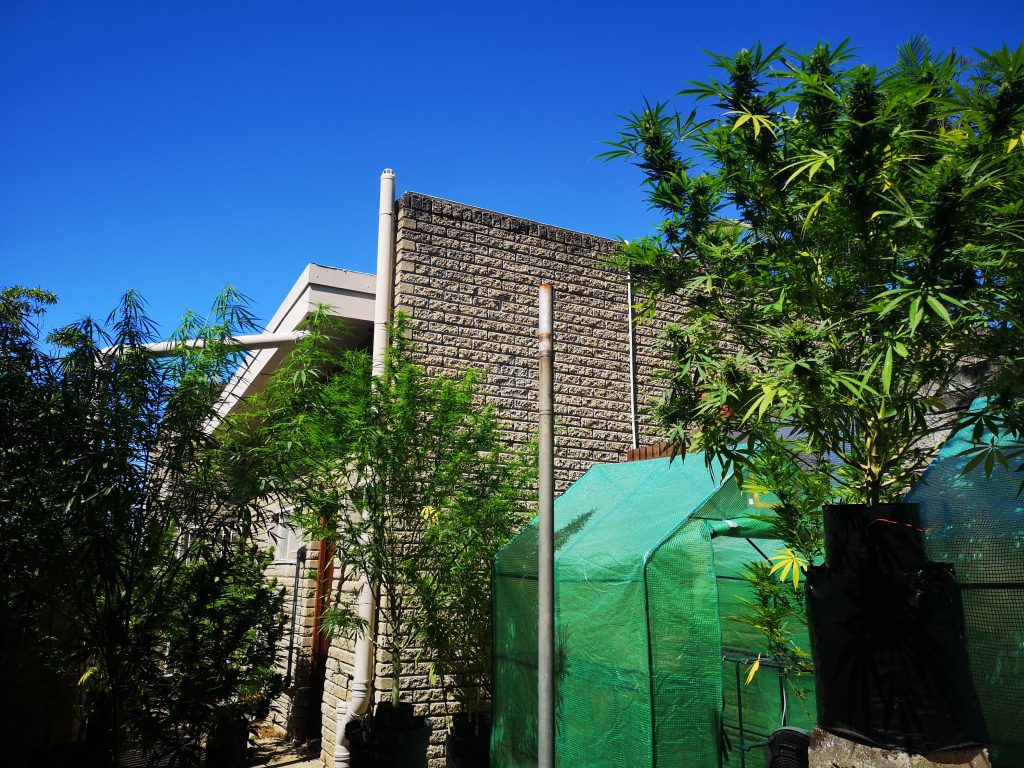
- Keep it behind other plants, near a wall, or deeper in the yard.
- Avoid the “main character plant” look right at the front.
Make the garden look cared for
This is weirdly powerful. A tidy, active-looking garden gets messed with less.
- Pull obvious weeds.
- Keep pots upright.
- Keep tools packed away.
Light it up (the chill way)
- Solar pathway lights = looks nice + discourages midnight missions.
- Bonus: no load-shedding problems.
2) Detect: 5-minute weekly check (don’t be surprised later)
Most plant problems start small and then go full chaos.
Once a week, quick scan:
- Under leaves (pests love hiding there)
- New growth (tender bits get hit first)
- Soil surface (mouldy, soggy, or fungus-y vibes?)
- Stems (any damage, soft spots, weird marks?)
Signs something’s up:
- little speckles, leaf curl, holes
- sticky residue (often insects)
- white powdery coating (often fungus)
- tiny webs (little creepers doing the most)
Early detection is the difference between “sorted” and “why is my plant fighting for its life?”
3) Defend: physical protection beats panic-spraying
The best defence is making pests and critters work too hard to bother.
For bugs
- Use fine netting if pests keep returning.
- If you see a few pests, blast them off with a strong water spray (simple, effective).
- Remove badly affected leaves (don’t leave the problem sitting there like it pays rent).
Real talk: the goal isn’t a sterile garden. It’s balance. Some insects are actually your plant’s security guards.
For slugs/snails
- Copper tape around pots/raised beds helps.
- Check at night with a torch if you suspect them (they’re sneaky like that).
For wind
Wind can snap stems or rub leaves raw.
- Stake it.
- Support it.
- If your area gets wild gusts, a windbreak is your friend.
For storms/hail
Keep a “grab-and-go” plan:
- shade cloth, netting, or even an old sheet you can throw over when the sky starts looking disrespectful.
4) Critters: the cute criminals
Depending where you are, it can be birds, rats, rabbits, monkeys, possums… even the neighbour’s cat doing parkour through your pots.
Best options:
- Netting/cage for your most valuable plants
- Don’t leave fallen fruit, scraps, or open compost nearby (that’s basically a free buffet)
- Keep the area tidy so it doesn’t become a hangout spot
If an animal learns your garden = snacks, it becomes a routine. Break the routine, break the problem.
5) People: keep it low-key, keep it clever
If you’ve ever had a plant “disappear” you know the pain is personal.
Low-drama ways to reduce risk:
- Don’t place prized plants in direct sight lines from the road.
- Use bigger, heavier pots (harder to grab-and-go).
- Add solar lights and keep entrances visible.
- If you’ve got cameras already, great — but you don’t need to turn your home into a bank.

6) Watering mistakes that make plants unsafe
Sometimes the biggest threat is us.
Two classics:
- Overwatering: soggy soil invites root problems and fungus.
- Underwatering: stressed plants attract pests and struggle to recover.
A good rule:
- Water deeply, then let the top layer of soil dry a bit (not bone-dry, not swampy).
- If your plant looks sad but the soil is wet… it’s not thirsty, it’s stressed.
7) Recovery: when something goes wrong, don’t go nuclear
When a plant gets hit (pests, storm, heat, whatever), don’t change five things in one day.
Do this:
- Remove the worst damaged bits
- Stabilise (support, shade, airflow, correct watering)
- Wait 3–7 days and watch
- Only then decide what else needs doing
Plants love consistency. Panic = chaos.
Quick “Plant Safety” Checklist
- ✅ Not on display from the road
- ✅ Mulch for stability
- ✅ Weekly under-leaf check
- ✅ Stakes/support for wind
- ✅ Netting if pests/critters are persistent
- ✅ Solar lights for deterrence
- ✅ Watering consistent (no swamp, no desert)
- ✅ Calm recovery plan, not panic mode